


In this article, I will be sharing the best lucrative business ideas anyone can start in Nigeria with a small start-up capital.

You would also learn:
- Types of businesses you can start with less than $50
- How to invest your money wisely
Times are really hard in Nigeria right now, so looking for a Profitable business might be a way out for those searching for a second income stream.
Let’s dive right to it.
To be honest, despite the tough economy, some people are making serious money. The question is, how? The answer is simple—they’ve found the right business ideas that work in times like this. Whether you have capital or not, want to start small or go big, this list of
20 profitable businesses will help you find the perfect fit for 2025.
No need to overthink it—let’s dive into the best business opportunities available right now and how you can start making money in this economy.
Why You Need a Profitable Business in 2025 (Considering Nigeria’s Economy)
The economic situation in 2025 is making it harder to survive on salary alone, and even business owners are struggling to keep up with rising costs. Here are key reasons to start a business in Nigeria in 2025:
1. Inflation Is Rising Every Day
The prices of food, rent, and transportation keep increasing, but salaries remain the same. Imagine buying something today for ₦5,000 and by next month, it’s ₦7,000. If you don’t have extra income, how will you cope? This is why having a profitable business in Nigeria is not just an option—it’s a necessity.
2. Dollar Exchange Rate
The dollar-to-naira exchange rate is affecting almost everyone and businesses, from importation to local production. Many companies are increasing their prices because of the high cost of raw materials. But instead of complaining, why not start a business that can leverage the dollar to your advantage, like mini-importation or freelancing for international clients?
3. Job Security No Longer Exists
Many Nigerians lost their jobs in 2024 due to company downsizing, and 2025 is not looking any better. Even government jobs are not as safe as before. To secure your financial future, it’s smart to start a business that gives you control over your income.
4. Nigeria’s Population = Big Market Opportunity
With over 200 million people, Nigeria has a huge market for business owners. If you sell the right product or service, you will always find customers. The key is to choose a business idea that is profitable in Nigeria and has high demand.
What’s Next?
Now that we’ve established why you need a business in 2025, let’s move on to the 10 most profitable business ideas in Nigeria that you can start this year.
Best Profitable Business Ideas to Start in Nigeria
List #1: Digital Technology and ICT Services
In a rapidly evolving digital world, Nigeria has not been left behind. The growth of digital technology and the widespread use of mobile devices have paved the way for profitable ventures in the ICT sector.

List #2: Software Development and Digital Services
There is a high demand for software solutions tailored to the Nigerian market. Developing applications that address local needs in areas such as fintech, healthcare, and education can be highly profitable. Additionally, offering digital services such as web design, online marketing, and cybersecurity can cater to the growing number of businesses going online.

List #3: E-commerce Platforms
The success of platforms like Jumia and Konga has shown that e-commerce can thrive in Nigeria. Setting up an online marketplace or niche e-commerce sites for specific products can capture the attention of the increasingly digital-savvy Nigerian consumer.
List #4: Agriculture and Agro-processing
Nigeria’s fertile land and favorable climate conditions make agriculture one of the most lucrative sectors in the country. With a growing population and a strong demand for food products, the agriculture industry presents various opportunities for entrepreneurs.
List #5: Crop Farming and Exportation
Nigeria’s soil is suitable for cultivating a wide range of crops, including cassava, yams, rice, maize, and cocoa. Focusing on high-demand crops and considering exportation can significantly increase profitability. Cocoa, for instance, is a major export product and investing in its production can yield high returns in the international market.
List #6: Agro-processing Ventures
Adding value to raw agricultural products through processing can open up new markets and increase profit margins. Establishing a processing plant for products like tomato paste, fruit juices, or palm oil can cater to both local consumption and export demands.
List #7: Blogging
If you’re planning to launch into the online business world, with a keen interest in working remotely, then becoming a blogger is one of the most practical ways to get things started. You can work certain hours daily from the comfort of your room or have your blog as a side hustle while you still have your main job.
Starting a blog can give you a voice and make you outstanding in your field of career while also earning in foreign currencies.
I feel that blogging in Nigeria is yet to be properly explored and anyone who can write a ton of great content can park as much money through selling a service, selling a product, or selling other people’s product (affiliate marketing)/
Also, blogging is one business you can start on a shoestring budget; at first, you need only a PC, a stable internet connection, quick blogging videos to put you on track, a valuable domain name, and quality web hosting service to host your blog site.
If you want to navigate this path quickly for success, you need to dwell in less-congested blogging niches, blogging today is way beyond trying to make a few bucks by ranking some less valuable pages to the first page of Google and other search engines.
It’s more about making true impacts in the lives of your readers, when you first offer them valuable information about their interests and intent, they know you’re in for serious business and willing to follow your lead.
If you found yourself on the business side already, by that I mean you already have a business and looking for practical ways to expand your business for more reach and real results, then blogging for business is one of the key dependable ways you can attract massive prospective customers to your business.
If you’re interested in launching a blog that matters in Nigeria, I want to recommend to you some of our detailed guides.
In many of them, we have extensively addressed different aspects of blogging as a business and for your business, such as the best blogging niches to start a blog including some yet untapped niches, the best blogging platforms to build a blog today, free keywords research tools, blogging mistakes you need to avoid, how to create blog posts that ranks and some niche-specific guides for Christian, Food, News and tech bloggers.
List #8: Real Estate and Property Development
The real estate sector in Nigeria has been experiencing steady growth, driven by an expanding middle class and urbanization. Investing in property development, whether residential or commercial, can be highly profitable.
List #9: Residential Housing
There’s a growing need for housing in Nigeria’s urban areas. Entrepreneurs can capitalize on this by developing affordable housing solutions. Rental properties are also a steady source of income, given the large population of young professionals and families seeking comfortable living spaces.
List #10: Commercial Properties
The commercial property market is equally promising, with opportunities in building office spaces, retail outlets, and industrial properties. As more businesses emerge and expand, the demand for commercial spaces rises, providing a profitable venture for investors.
List #11: Logistics and Delivery Services
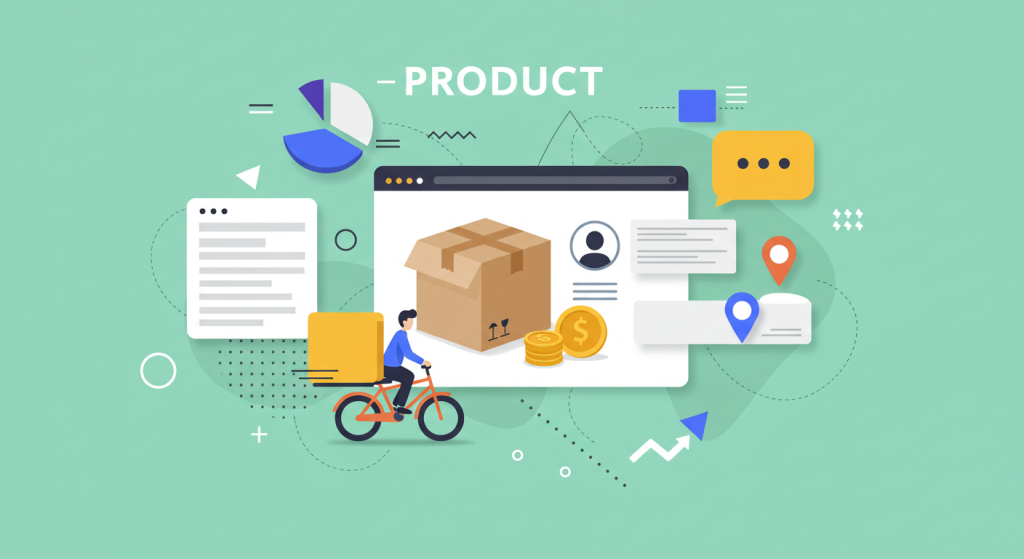
With the growth of e-commerce, logistics and delivery services have become essential in Nigeria. As more people shop online, there’s a demand for dependable delivery options, especially in densely populated cities like Lagos and Abuja. A logistics company that focuses on last-mile delivery getting packages from distribution hubs directly to customers can be highly successful. Urban areas are particularly suited for this, given the demand for speedy and reliable delivery services.
- Specialized Services: Offering unique options like same-day delivery, scheduled deliveries, or package tracking can distinguish your business. Customers appreciate knowing exactly where their orders are.
- Build Partnerships: Consider partnering with local restaurants, online stores, and e-commerce platforms to provide delivery solutions. This can secure a steady stream of orders, especially from small businesses that may lack their own delivery infrastructure.
HOW TO START A LUCRATIVE BUSINESS WITH LITTLE CAPITAL
This is an interesting question, because it’s not all about starting a business but about sustaining and scaling the business.
In order to be successful in any area of your chosen field of business,, you need to learnt the intricacies of that business, and also avoid any type of business that you would depend on another person for your business to succeed.
Here are a few types of businesses you should avoid like a plague:
1). Any business that requires skilled hires to survive, for example, starting a tailoring business when you lack the required sewing skill, believe me, the employees would mess you up when you needed them the most. Imagine going around looking for customers for your business with a high spirit to deliver the job, all for a tailor to call in sick, you understand now.
2).Babbing saloon business, have you ever wondered why these businesses keep closing every day in Nigeria? It’s because of the investors are not skilled in that area; they have raised the money, rented a shop, and then hired barbers who really do not care if you are making your money back or not.
Launch Big Dreams with Small Capital: Businesses You Can Start with Less Than $50
If you’ve got just $50 or less to spare and a burning desire to build something of your own, you’re in better shape than you think. Today’s online tools, social channels, and lean startup mindset make it possible to kick off a real business on a shoestring budget. Below are some types of ventures you can begin today — plus smart ways to invest what you earn.
These ideas rely more on skill, hustle, and creativity than deep pockets:
- Freelance services
If you can write, edit, design, code, translate, or manage social media — you already have an asset. Sign up on freelancing platforms or reach out in your network. Startup cost: maybe the cost of internet + a simple portfolio or business card. (Many low-cost business lists call this one of the top ideas. (kantnerfoundation.org) - Tutoring / Teaching
Whether in school subjects, musical instruments, languages, or even hobby skills (e.g. knitting, photography), you can teach in person or online. Use free tools like Zoom or WhatsApp for video lessons. (This is often listed among low-capital businesses. (Investopedia)) - Handmade crafts or jewelry
Buy basic materials (beads, wire, clay, paint) and make items people love. Sell via social media, Etsy, local markets, or to friends and neighbors. (One low-cost business guide includes “custom crafts and jewelry” for under $50 start. (kantnerfoundation.org) - Digital products
E-books, printable templates, graphic assets, stock photos — you create once, sell many times. No physical inventory, no shipping. (Many articles on low-cost business ideas highlight this. (Buildfire)) - Reselling / thrift flipping
Scour thrift shops, garage sales, local clearance deals. Buy undervalued items and resell online (after cleaning, repairing, or rebranding). Invest a few dollars in good photos. (This shows up in business idea listings. (kantnerfoundation.org)) - Pet sitting / dog walking
If you love animals, you can start with zero materials — just your time and reliability. Many low-cost business idea lists include pet care. (kantnerfoundation.org) - Virtual assistant / admin support
Many small businesses or busy professionals outsource email management, data entry, scheduling, social media posting. Get a few clients and you’re off. (Also found in low-cost business idea lists. (Buildfire))
The secret is: don’t try to build a large empire from day one. Start small, prove demand, reinvest profits, and scale bit by bit.
How to Invest Your Money Wisely (Especially When You Start Small)
Making a few dollars is good. Turning that into lasting wealth? That takes smart investing.
A. Build a foundation first
- Set financial priorities
Before investing, ensure your basics are covered — food, rent, emergency savings, and paying off high-interest debts. Experts often advise making sure your “house is in order” before taking on risk. (DFPI) - Define your goals & risk tolerance
Are you saving for something in 6 months, 5 years, or 20+ years? The longer the horizon, the more risk you can handle. (Fidelity)
B. Smart investment vehicles & strategies at low cost
- Micro-investing / fractional investing
Apps now let you invest small amounts (even pocket change) into fractional stocks or funds. You don’t have to buy a full share of an expensive stock — you own “part” of it. This lowers the barrier to entry. (Voya) - Dollar-cost averaging (DCA)
Rather than investing a lump sum, you put in a fixed amount at regular intervals (weekly, monthly). That way, you buy more when prices are low and less when prices are high — smoothing out volatility. (Wikipedia) - Low-cost index funds / ETFs / all-in-one funds
These allow you to own a diversified pool of stocks (or bonds) without having to pick individual winners. Many funds and platforms now have low or zero minimums. (Voya) - High-yield savings accounts, CDs, or low-risk fixed income
If you prefer safety over big gains, parking money in safe but modest-yield vehicles is fine — especially for short-term goals. (Bank at First)
C. Principles to keep always
- Diversify
Don’t put all your money in one stock or one asset class. Mix high-risk, medium-risk, and low-risk investments. (Mountain America Credit Union) - Keep costs low
Fees and commissions eat into returns fast, especially when amounts are small. Use no-fee or low-fee platforms. (Investopedia) - Be consistent, not perfect
Investing regularly, even small amounts, compounds over time. It’s more important to start than to wait for the “perfect moment.” (Investopedia)
Avoid “too good to be true” promises
If someone promises you 100% returns in a month with no risk, be skeptical. Always check for red flags and do your research. (DFPI
There you have, money should the only thing stopping you from achieving your dream in 2025, it’s tome to get and start making something meaningful for yourself.


GIPHY App Key not set. Please check settings